Authentic Indigenous Chefs
are among the most knowledgeable voices on what makes the seafood from our fisheries special. Meet the chefs, explore their recipes, and hear what these foods mean to the people who have always known them best.
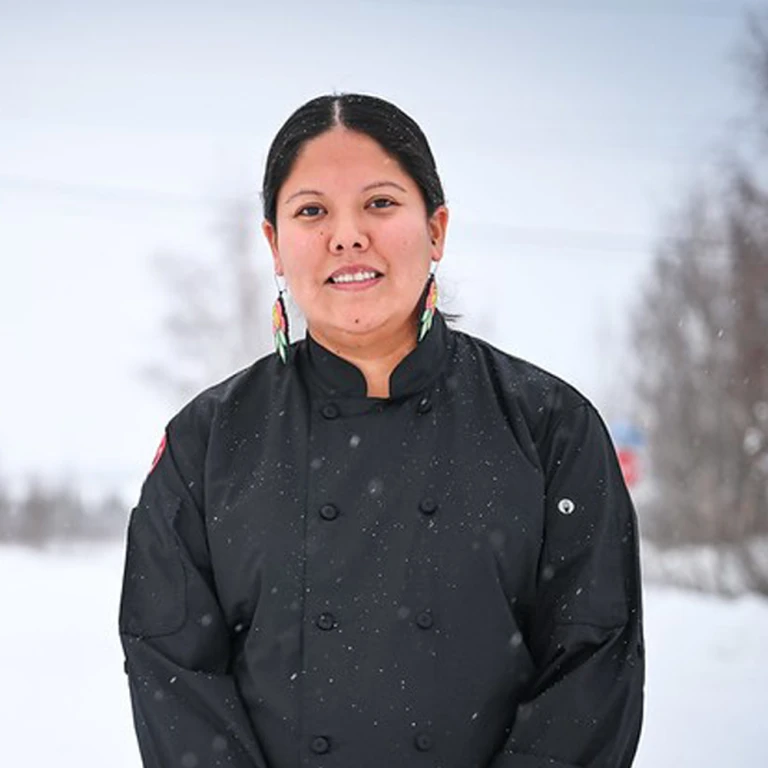
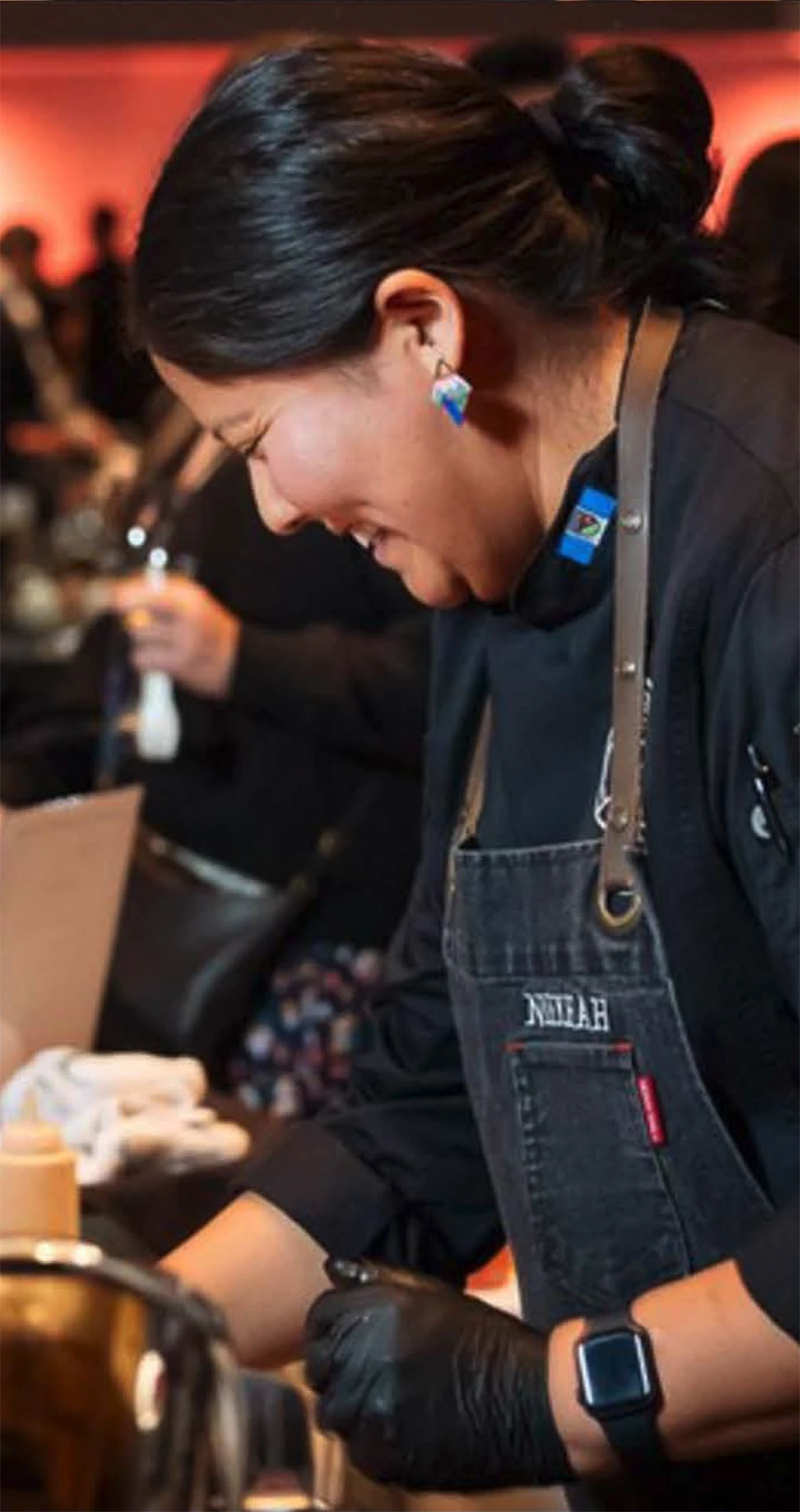
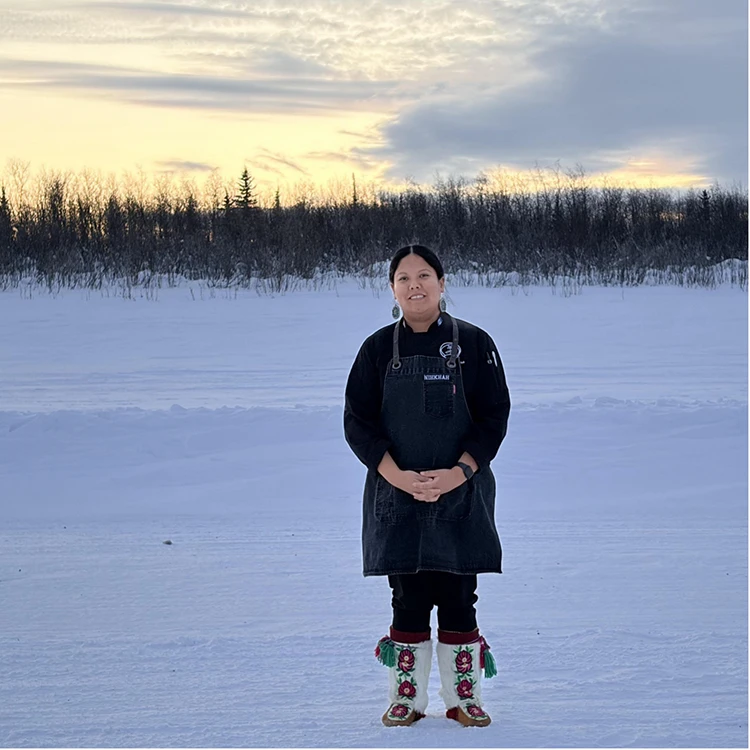
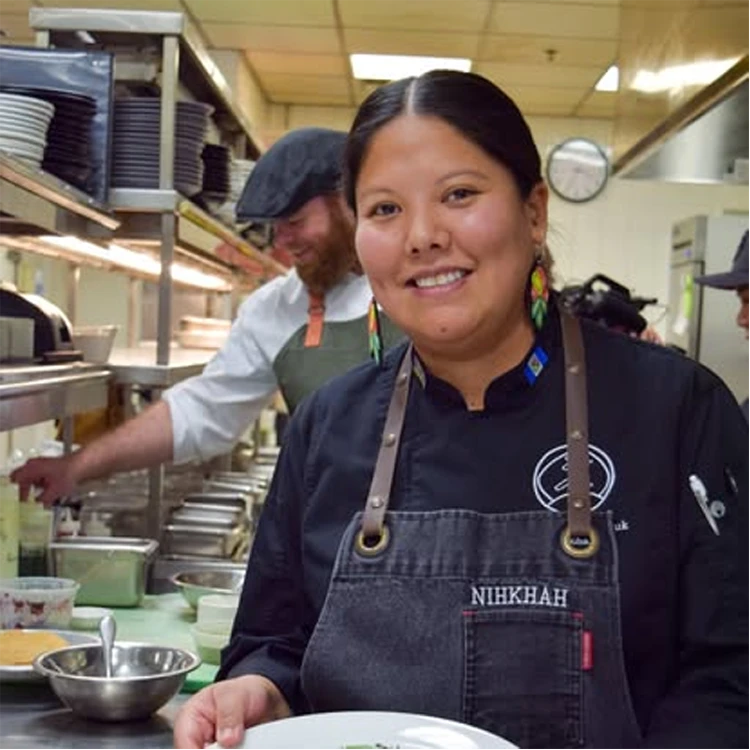
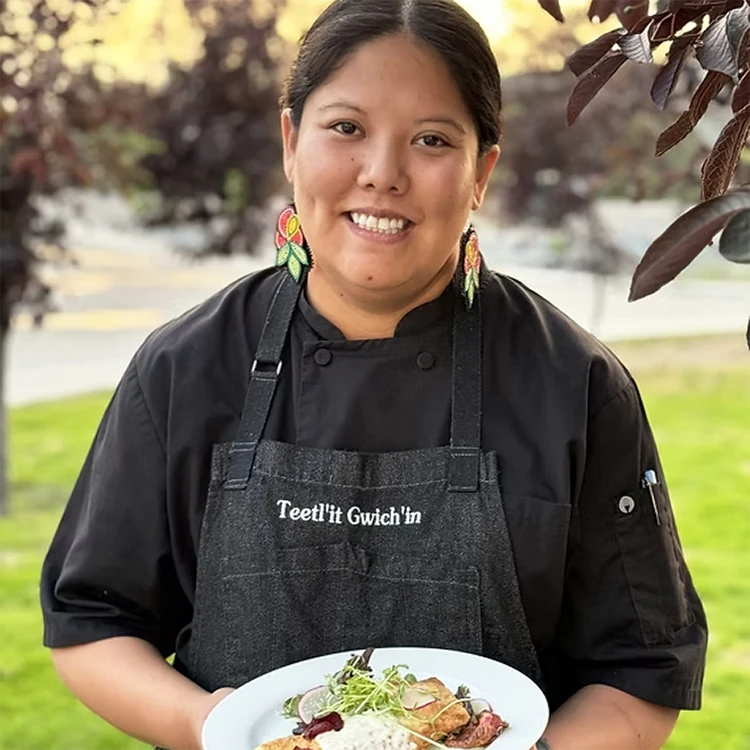
Meet Chef Steph Baryluk
From Arctic Roots to Indigenous Culinary Revival
Growing up in a remote Arctic community, surrounded by my Gwich’in culture, I found a huge disconnection to who I was as a Gwich’in woman when I left my community. Suddenly I found myself in a city surrounded by people I didn’t know and food I didn’t eat. Cooking was a healthy way to build back that connection to my roots while building a life outside of my community.
Representation in Culinary
I found myself working through the culinary industry with no real representation to Indigenous culture until I was asked to develop the Rooted Indigenous Food Program for Simon Fraser University. That moment changed my whole career path. I knew as an Indigenous Chef it’s important to educate and share knowledge about our Indigenous food systems and culture. Indigenous cuisine is extremely underrepresented in Canada, and I think there are Indigenous chefs now who are working to change that.
Whitefish & Tradition
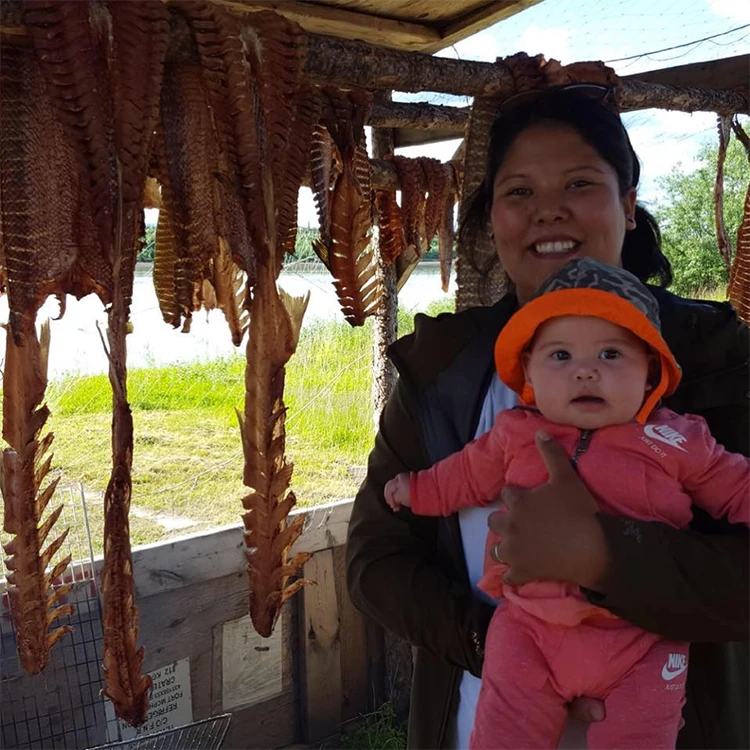
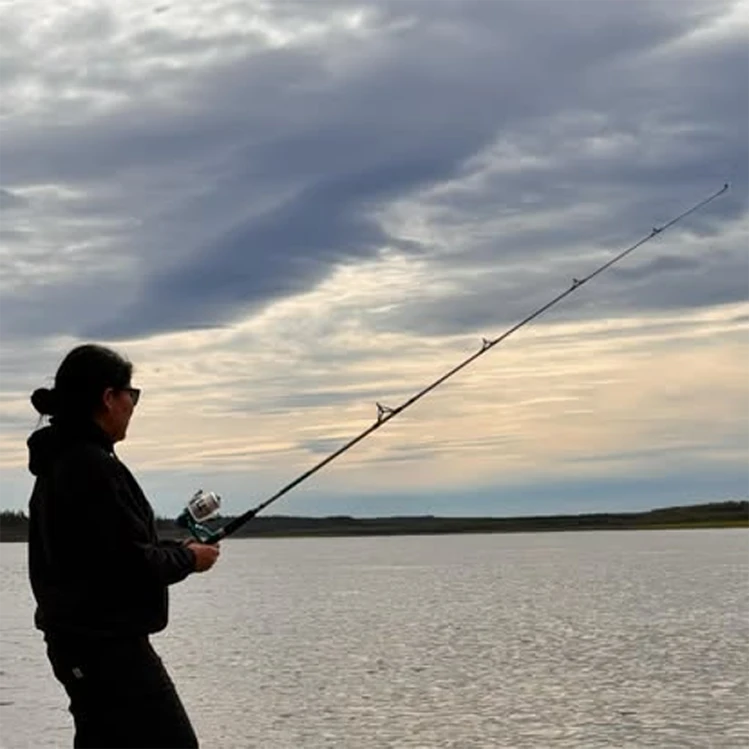
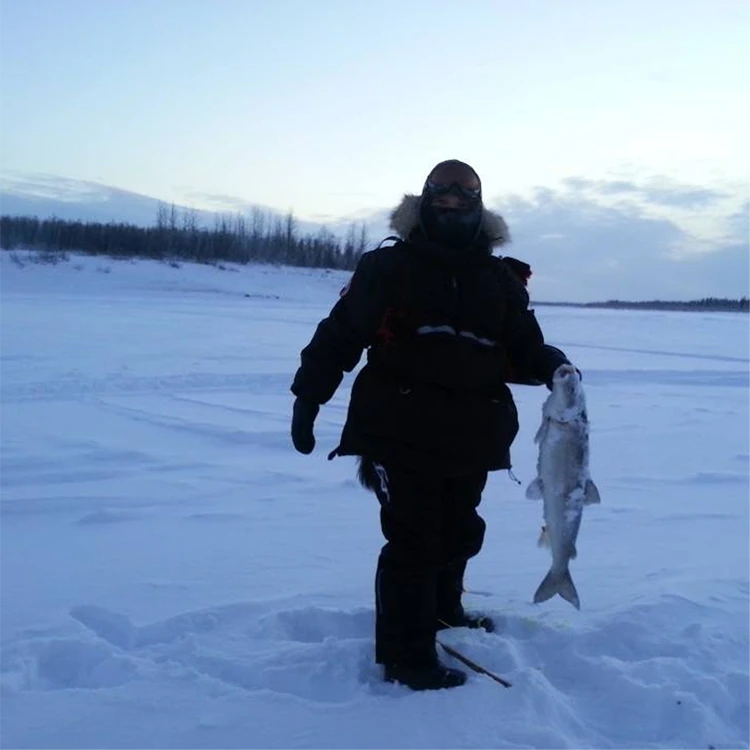
I was raised along the Peel River in a community called Teetl’it Zheh (Fort McPherson) where whitefish is a staple in our diet. Traditionally whitefish was dried or smoked and made into fish strips. It was an art to watch our Gwich’in community members process the fish with such ease and skill. Cooking whitefish filets over an open fire is one of my favorite ways to enjoy it.
Arctic Ingredients & Birch Sirup
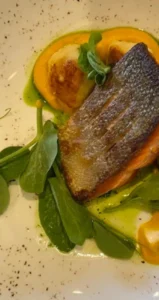
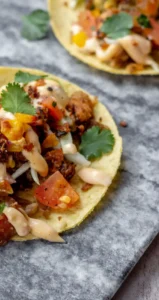
Throughout my menus I always include a fish dish. It’s something close to who I am and what I represent. The power to sustain ourselves utilizing products from our land in the Arctic. A favourite way to cook fish is glazing with birch syrup. Birch syrup is an amazing product when used correctly and complements the fish so well.
Full Circle Journey
Starting out in the culinary industry, I didn’t see Indigenous cuisine as the end goal as it just wasn’t something that was being done. Now to showcase who I am and who we are as Indigenous people is completely full circle for me in my profession.
“Food has become a way to reconnect with culture, preserve Indigenous knowledge, and share the stories carried through Arctic ingredients and traditions. More than a meal, it is a reflection of identity, community, and the deep relationship between people and the land.”
Meaning of Indigenous (Sea)food
Indigenous seafood carries more story, tradition, and culture. The Indigenous Nations supplying the seafood have been harvesting for generations, perfecting a craft that is deeply personal to their communities. Being able to serve these products as an Indigenous Chef brings the story closer to home and reflects exactly what we strive to promote through Nihkhah.
Why the Market Should Care
It is a great opportunity to share education on Indigenous seafood, a great way to support Indigenous businesses and showcase product that comes with more meaning. Not only are you buying Indigenous seafood but you are also gaining the story behind the products and Nations involved.
Supply, Seasonality & The Path Forward
To offer a limited time item that offers a local story is a huge industry. By sharing where your food comes from, whole foods directly from the sea is a great way to connect with the customer.
With more education on Indigenous products, Indigenous seafoods other chefs and cooks will start to understand and be able to put onto menus and recipes with a little more knowledge.
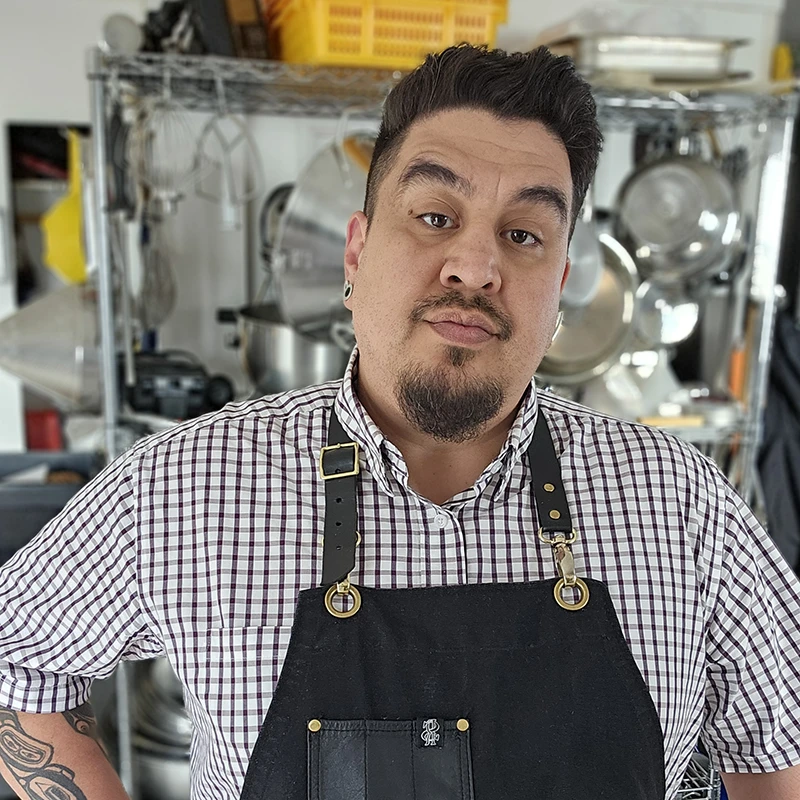
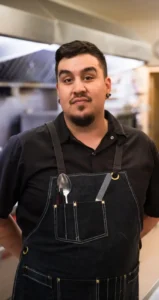
Meet Chef Brodie Swanson
ROOTS & IDENTITY
Chef Brodie Swanson, Haida name Kil Tlaa’sgaa (“strong voice”), is a Yahgulanaas Raven Clan member of the Haida Nation, born and raised in Gaw Old Massett on Haida Gwaii, where his grandmother first put him to work on the dock cleaning sea urchins and taught him that sharing a meal is sharing a culture.
HIS VENTURE
As Executive Chef for Haida Tourism, Brodie oversees the kitchens at both Haida House in Tllaal and Ocean House Lodge on Moresby Island’s Peel Inlet, building a tide-to-table program rooted in local fishing, an on-site garden, and partnerships with community harvesters to keep ingredients as close to home as possible.
PHILOSOPHY
Brodie believes food is the cornerstone of Haida culture and approaches every menu as an act of reclamation, asking how his ancestors fed 50,000 Haida people before barges and preservation, and working to revive those techniques alongside modern methods like fermentation, smoking, and dehydration.
SIGNATURE WORK
Brodie’s menus feature dishes like black cod with bull kelp and salmon roe, octopus with cow-parsnip chimichurri, and house-made sourdough with sea asparagus butter, all built around Ocean Wise seafood from Haida Wild and foraged coastal ingredients including spruce tips, sea asparagus, and wild berries.
RECOGNITION
After training under celebrated Chef Robert Belcham at Campagnolo in Vancouver and working at the renowned Indigenous restaurant Salmon n’ Bannock, Brodie has become one of the most prominent Haida culinary voices in Canada, championing the inclusion of wild game in Canadian restaurant kitchens and calling on government to recognize its importance to the country’s culinary identity.
FAVOURITE SEAFOOD